Digital piano buying guide: how to choose the right one

Buying a digital piano comes down to getting a few things right in the correct order: the key action first, then the sound and polyphony, then the speakers, and only then the extras. Get the action right and you will love the piano; get it wrong and no feature will save it. This guide walks through what actually matters, in plain terms.

Transparency: This article contains affiliate links. If you buy through one of them, we may earn a commission, at no extra cost to you. That is how we fund our testing and keep this site independent. More about how we test.

Contents

Our selection

An option from this comparisonAffiliate links
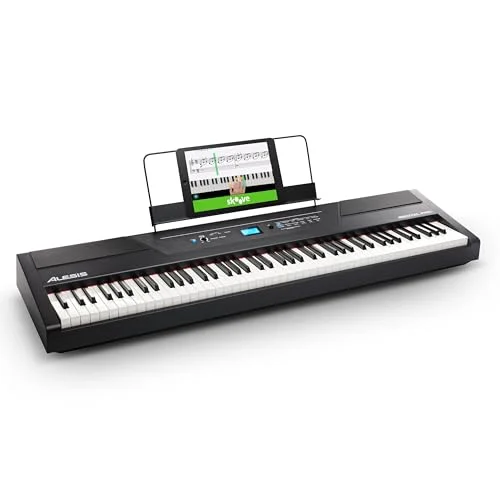
Alesis Recital Pro Digital Piano
View on Amazon
Model Price KeysKey actionSound engine Rating Link
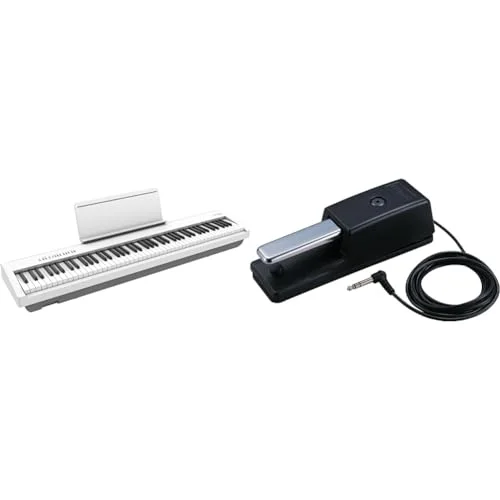
Roland FP-30X Digital Piano ★ Top pick Roland FP-30X Digital Piano £579.00 88, fully weightedPHA-4 Standard, with escapementSuperNATURAL, 256-note polyphony ★ 4.7 Search for this model
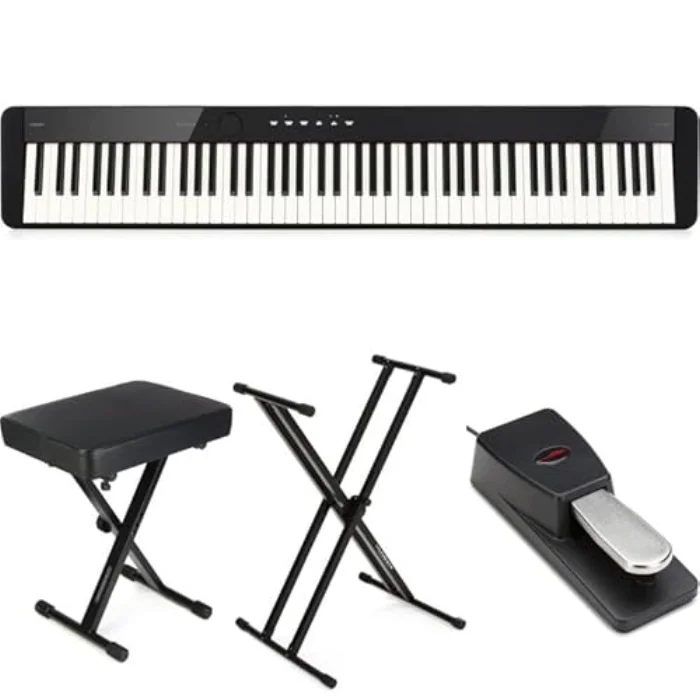
Casio PX-S1100 Privia Digital Piano Casio PX-S1100 Privia Digital Piano £1,062.00 88, fully weightedSmart Scaled Hammer ActionMorphing AiR, 192-note polyphony ★ 4.5 View →
Alesis Recital Pro Digital Piano Alesis Recital Pro Digital Piano £329.99 88, hammer-action weightedFull-size hammer action, adjustable touchPremium voices, 128-note polyphony ★ 4.1 View →
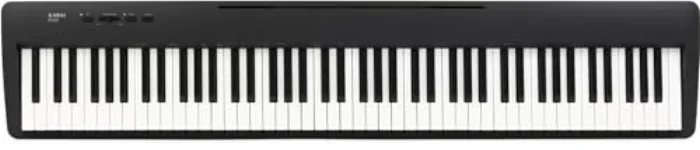
Kawai ES120 Digital Piano Kawai ES120 Digital Piano £337.00 88, fully weightedResponsive Hammer Compact (RHC)Harmonic Imaging, 192-note polyphony ★ 4.6 View →
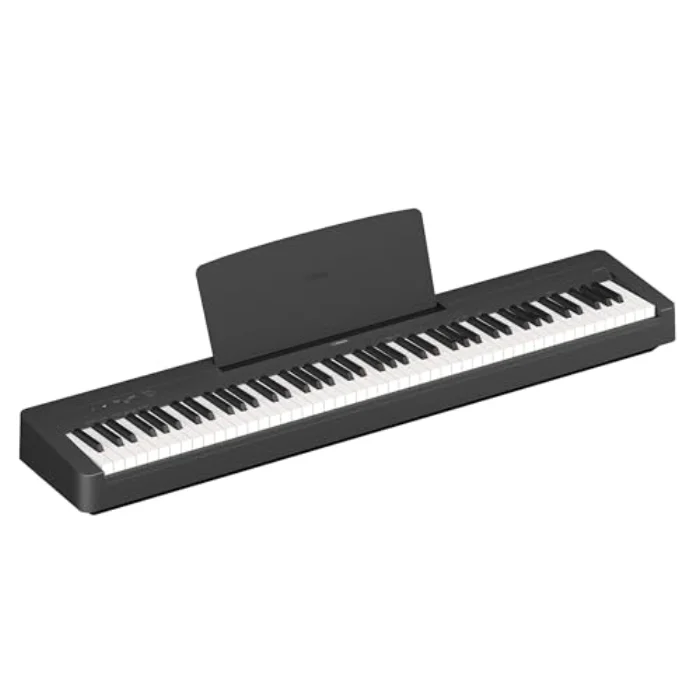
Yamaha P-145 Digital Piano Yamaha P-145 Digital Piano £351.00 88, fully weightedGraded Hammer Compact (GHC)CFX grand sample, 64-note polyphony ★ 4.4 View →
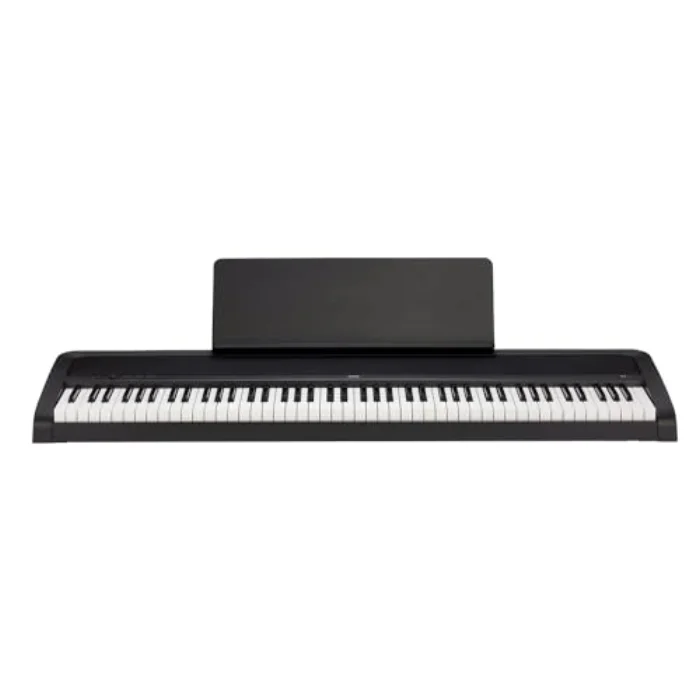
Korg B2 Digital Piano Korg B2 Digital Piano £419.00 88, fully weightedNatural Weighted Hammer Action (NH)Stereo PCM, 120-note polyphony ★ 4.2 View →
★ Top pick
Roland FP-30X Digital Piano £579.00
Keys : 88, fully weightedKey action : PHA-4 Standard, with escapementSound engine : SuperNATURAL, 256-note polyphony ★ 4.7/5
Search for this model
Casio PX-S1100 Privia Digital Piano £1,062.00
Keys : 88, fully weightedKey action : Smart Scaled Hammer ActionSound engine : Morphing AiR, 192-note polyphony ★ 4.5/5
View on Amazon →
Alesis Recital Pro Digital Piano £329.99
Keys : 88, hammer-action weightedKey action : Full-size hammer action, adjustable touchSound engine : Premium voices, 128-note polyphony ★ 4.1/5
View on Amazon →
Kawai ES120 Digital Piano £337.00
Keys : 88, fully weightedKey action : Responsive Hammer Compact (RHC)Sound engine : Harmonic Imaging, 192-note polyphony ★ 4.6/5
View on Amazon →
Yamaha P-145 Digital Piano £351.00
Keys : 88, fully weightedKey action : Graded Hammer Compact (GHC)Sound engine : CFX grand sample, 64-note polyphony ★ 4.4/5
View on Amazon →
Korg B2 Digital Piano £419.00
Keys : 88, fully weightedKey action : Natural Weighted Hammer Action (NH)Sound engine : Stereo PCM, 120-note polyphony ★ 4.2/5
View on Amazon →
BEST OVERALL
Roland FP-30X Digital Piano - digital piano Roland

Roland FP-30X Digital Piano

4.7/5

£579.00

88, fully weighted · PHA-4 Standard, with escapement · SuperNATURAL, 256-note polyphony

  • PHA-4 action is the most convincing under £700
  • 22 W of speaker power fills a living room
  • 256-note polyphony never runs out on dense passages
  • Bluetooth audio and MIDI built in
  • No display screen
  • Bench and stand cost extra
Key action 5/5
Sound 5/5
Build 4/5
Search for this model
BEST VALUE
Casio PX-S1100 Privia Digital Piano - digital piano Casio

Casio PX-S1100 Privia Digital Piano

4.5/5

£1,062.00

88, fully weighted · Smart Scaled Hammer Action · Morphing AiR, 192-note polyphony

  • Slimmest cabinet here at just 23 cm deep
  • Lightest full-weight piano on test at 11.2 kg
  • Can run on 6 AA batteries for buskers
  • Excellent grand-piano voice for the money
  • 16 W speakers are quieter than the Roland
  • Touch controls take getting used to
Key action 4/5
Sound 4/5
Build 4/5
View on Amazon →
BEST BUDGET
Alesis Recital Pro Digital Piano - digital piano Alesis

Alesis Recital Pro Digital Piano

4.1/5

£329.99

88, hammer-action weighted · Full-size hammer action, adjustable touch · Premium voices, 128-note polyphony

  • Real 88 hammer-weighted keys at the keenest price
  • Surprisingly loud 20 W speakers for the money
  • Lightest piano here at 7.5 kg
  • LCD screen and built-in lessons
  • Action is lighter and less even than the £600 units
  • No Bluetooth
Key action 3/5
Sound 3/5
Build 3/5
View on Amazon →
BEST KEY ACTION
Kawai ES120 Digital Piano - digital piano Kawai

Kawai ES120 Digital Piano

4.6/5

£337.00

88, fully weighted · Responsive Hammer Compact (RHC) · Harmonic Imaging, 192-note polyphony

  • Kawai RHC action is the most piano-like here
  • Powerful 40 W speaker system, the loudest on test
  • Acoustic-quality grand samples
  • Reassuring build from a respected piano maker
  • Costs more than the all-rounders
  • Bluetooth is MIDI only, not audio
Key action 5/5
Sound 5/5
Build 5/5
View on Amazon →
BEST FOR BEGINNERS
Yamaha P-145 Digital Piano - digital piano Yamaha

Yamaha P-145 Digital Piano

4.4/5

£351.00

88, fully weighted · Graded Hammer Compact (GHC) · CFX grand sample, 64-note polyphony

  • Trusted Yamaha CFX concert-grand voice
  • Simple, uncluttered controls suit beginners
  • Compact graded hammer action
  • Smart Pianist app adds guided learning
  • 64-note polyphony is the lowest here
  • 14 W speakers and no Bluetooth
Key action 4/5
Sound 4/5
Build 4/5
View on Amazon →
BEST SPEAKERS UNDER £400
Korg B2 Digital Piano - digital piano Korg

Korg B2 Digital Piano

4.2/5

£419.00

88, fully weighted · Natural Weighted Hammer Action (NH) · Stereo PCM, 120-note polyphony

  • Punchy 30 W speakers, loud for the price
  • Even Natural Weighted Hammer action
  • 120-note polyphony copes with most playing
  • USB audio out for clean recording
  • Fewer voices than rivals
  • Action is a touch springier than the Yamaha
Key action 4/5
Sound 4/5
Build 4/5
View on Amazon →

Key action: the decision that matters most

The action is the single most important thing about a digital piano, more than the brand, the voice count or any clever feature. It is what the keys feel like under your fingers, and it is what builds, or fails to build, proper technique. Insist on a fully weighted hammer action across all 88 keys. A weighted action uses real hammers to recreate the resistance of an acoustic piano, so the keys push back when you press them, and that resistance is what teaches the finger strength and dynamic control a pianist needs. A semi-weighted or synth-action keyboard is cheaper and lighter, but it teaches the wrong touch and is a false economy for anyone serious about learning.

The best actions go one step further and are graded, meaning the bass keys are heavier to press than the treble keys, exactly as on a real grand. In our testing the Kawai ES120 and Roland FP-30X had the most convincing graded actions, with a settled, even response that rewarded careful playing. The Yamaha P-145 and Korg B2 use slightly more compact actions that are still genuinely weighted and perfectly good for learning, and the budget Alesis Recital Pro proves you can get a real hammer action for £279, though it is lighter and less even. Whatever your budget, the rule holds: spend your money on the action first. It is the part you feel within the first ten minutes and the part you cannot upgrade later.

Sound and polyphony: what to look for

A digital piano makes its sound from recordings, or models, of a real instrument, so the quality of that grand-piano voice is what you hear first. The big names all sample genuine acoustic grands: Yamaha its CFX, Roland its SuperNATURAL engine, Casio its Morphing AiR system and Kawai its Shigeru Kawai SK-EX. The differences are real but subtle, and in a quiet room the Roland and Kawai have the most three-dimensional tone. For most buyers, every piano we recommend has a grand voice good enough to enjoy daily; the cheaper Korg and Alesis are a step behind but still pleasant.

One spec is easy to overlook and worth understanding: polyphony, the maximum number of notes a piano can play at once before it cuts off the oldest ones. The sustain pedal and layered voices use it up quickly, so we treat 128 notes as a sensible minimum for anything beyond simple practice. To put numbers on it, the Roland FP-30X leads with 256-note polyphony, the Casio and Kawai offer 192, the Korg 120 and the Alesis 128, all comfortable. The Yamaha P-145's 64 is the lowest and the one figure to watch: it is fine for beginner repertoire but will cut notes on dense, heavily pedalled music. If you expect to progress quickly, choose 128 notes or more.

Speakers: why wattage matters

Unless you only ever play through headphones, the on-board speakers decide how the piano sounds in your room, and the spread is wide. Speaker power runs from 14 W on the Yamaha P-145 up to 40 W on the Kawai ES120, with the Korg B2's 30 W the standout value. As a rough guide, 14 to 16 W suits a bedroom or study up to about 16 m²; 22 W, as on the Roland, fills an average living room; and 30 to 40 W is what you want if the piano doubles as the main sound source in a large or open-plan room. Do not assume more is always better, though: in a small room a 14 W piano is perfectly full, and every model here lets you practise silently through a headphone socket regardless of its speaker power.

Features worth paying for, and ones you can skip

A few features genuinely matter. A sustain pedal is essential from the start, and most portable pianos include a basic one; a proper triple-pedal unit and a sturdy stand are worth adding once you are committed, because a wobbly table encourages poor posture. Bluetooth or USB connectivity to a learning app such as Smart Pianist or Roland Piano App turns a tablet into a guided teacher and is well worth having; only the Roland here offers Bluetooth audio for wireless music streaming, while the others connect by cable or Bluetooth MIDI. A headphone socket is non-negotiable for silent late-night practice, and thankfully every model has one.

Other features are nice-to-have rather than deciding factors. A long voice list looks impressive on the box, but for piano practice the single grand voice is the one that matters, so do not let a piano with 56 voices pull you away from one with a better action and 10. Battery power, as on the Casio PX-S1100, is a genuine bonus if you need to play away from a socket, but irrelevant if the piano lives in one spot. And brand buys you build quality, support and resale value, which is worth paying for, but never a substitute for the right action.
Frequently asked questions

Q
What is the most important feature on a digital piano?

The key action. A weighted hammer action that mimics an acoustic piano is what builds proper technique and makes the instrument satisfying to play. Speakers, voices and connectivity all matter, but a great action on a plain piano beats a mediocre action loaded with features every time.

Q
How many keys should a digital piano have?

Eighty-eight, the full size of an acoustic piano. Shorter 61- or 76-key keyboards save money and space but run out of range for proper classical and pop repertoire. Every piano we recommend has the full 88 keys, and we would not advise fewer for anyone learning seriously.

Q
Do I need a stand and pedal?

You need a sustain pedal from the start, and most portable pianos include a basic one. A proper stand and a triple-pedal unit are worth adding once you are committed, as a wobbly table or a stool encourages poor posture. Budget around £40 to £120 extra for a stand and bench.

Our advice in one paragraph

Decide your budget, then spend it on the action first, the sound and polyphony second, and the extras last. For a standard buyer, our best overall pick is the Roland FP-30X, with the Casio PX-S1100 for value and the Kawai ES120 for the finest feel. A first-time learner should start with the Yamaha P-145, and the cheapest honest route to weighted keys is the Alesis Recital Pro. Insist on 88 fully weighted keys, aim for at least 128-note polyphony unless you are a pure beginner, match the speaker wattage to your room, and treat a long voice list as a bonus. See exactly how we reach these conclusions on our how we test page, and start your shortlist with the best digital piano for beginners guide.